
Centering Justice in Energy Transitions: A T20 Side Event from the Global South
As climate change accelerates and its impacts intensify, the urgency of an energy transition becomes increasingly clear. But not all regions face this transition from the same starting point. In the Global South, communities are not only disproportionately affected by the climate crisis—they are also often excluded from the decision-making spaces that define solutions. Recognizing this, KALLIED continues to advocate for an energy transition that is not only rapid, but also just, inclusive, and deeply rooted in local realities.
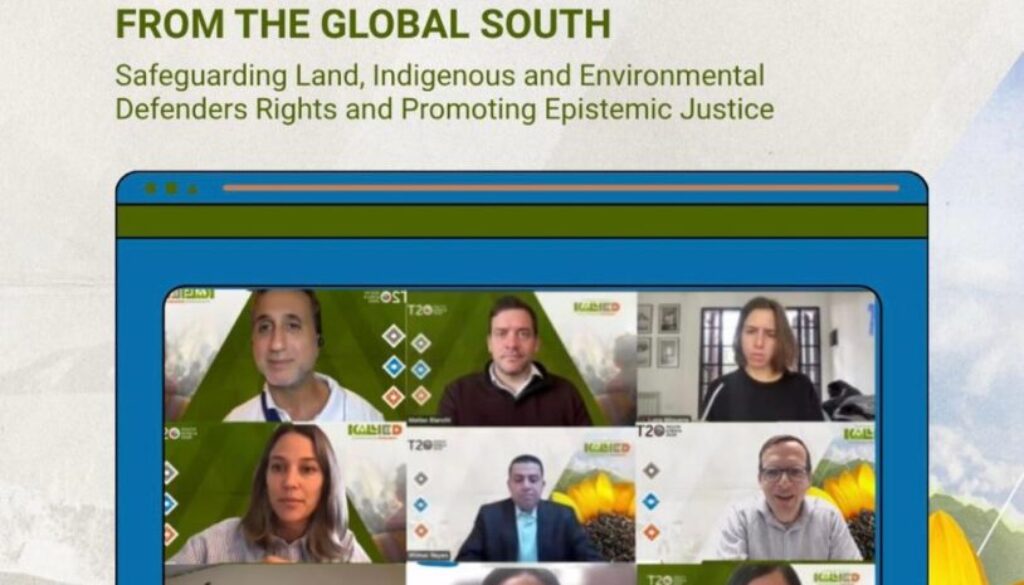
This commitment led by KALLIED and Asuntos del Sur with the support of the International Development Research Centre (IDRC), to co-organize a high-level side event as part of the 2025 Think20 (T20) process, hosted this year under the South African presidency. The event, titled “Towards a Just Energy Transition from the Global South”, brought together critical voices to elevate the human rights dimensions of energy policy and climate action.
The T20 and the Call for Justice
The Think20 (T20) serves as the research and policy advisory group for the G20, bringing together think tanks and research institutions from around the world. It is a key space for influencing global policy agendas and amplifying proposals grounded in equity and sustainability.
The official side event, now available on YouTube, created a space for participants to share regional insights, challenges, and strategies that confront the exclusions embedded in mainstream energy transition narratives. Far from technical discussions alone, the conversation was political, centering power imbalances and calling for transformative change.
Four Pillars for a Just Energy Transition
Speakers from across Latin America, Africa, and Asia shared compelling testimonies and policy proposals grounded in the daily realities of defending territory, promoting clean energy, and navigating the risks of extractivist development models.
Four pillars emerged as central to advancing a truly just energy transition:
- Centering Human Rights Across All Stages
Energy transition policies must be aligned with international human rights standards from design to implementation. This includes recognizing the collective rights of Indigenous Peoples and the role of communities in shaping sustainable futures. - Guaranteeing Free, Prior and Informed Consent (FPIC)
Large-scale energy projects must respect the right of communities to say “yes” or “no” to interventions that affect their land, water, and way of life. FPIC is not only a legal obligation—it is a moral and democratic imperative. - Protecting Environmental and Land Defenders
Across the Global South, defenders of land and environment face escalating threats, criminalization, and violence. Any energy transition must include robust protections for those who safeguard ecosystems and collective rights. - Ensuring Transparency and Accountability
Governments and corporations must be held accountable for their climate and energy commitments. This includes greater transparency in investment decisions, inclusive governance structures, and effective grievance mechanisms.
These pillars reflect the vision of a transition that goes beyond emissions targets—it is about transforming power relations and amplifying the leadership of communities who have long practiced sustainable stewardship of their territories.
Shifting the Global Agenda
“Human rights and environmental defense have been absent from global climate debates for too long,” noted Adrian Di Giovanni of IDRC during the event. “It is time to integrate them strategically into the G20 agenda.”
Indeed, the side event was not just a conversation—it was a political statement. It called on T20 experts and G20 leaders to move away from narrow, top-down energy frameworks and instead embrace justice-oriented transitions that are responsive to context, history, and inequality.
Events like this are a step toward making sure that the South is not just a site of extraction and sacrifice, but a key protagonist in designing sustainable and democratic transitions.
As the G20 process unfolds in 2025, the voices and demands from this event will continue to echo. They remind us that energy transitions must do more than change technologies—they must transform the very systems of power and participation that created the climate crisis in the first place.