
Toxic platforms, broken planet: When digital violence undermines climate justice
In its groundbreaking July 2025 report, Global Witness uncovers a disturbing trend: the vast majority of land and environmental defenders (the frontline protectors of ecosystems and human rights) are subject to severe online abuse, which often spills over into real-world threats. This digital assault not only endangers individual activists but also undermines collective efforts to confront the climate crisis.
The digital siege: A widespread crisis
A first-of-its-kind global survey reveals that a staggering 92% of defenders have faced online harassment. From hate-filled comments and doxxing to cyberattacks, the virtual battleground has become as dangerous as physical spaces.
Some of the most chilling forms of abuse include Doxxing (which means the public release of personal data such as addresses, phone numbers, or details about family members, leading to stalking, identity theft, or even “swatting.”) and Cyberattacks (such as phishing, malware, and other digital threats that disrupt activists’ operations and expose sensitive data). Nearly two-thirds of respondents reported fearing for their personal safety, while approximately 45% said abuse had diminished their productivity. The consequences are clear: online harassment can, and does, silence defenders.
Meta’s platforms at the center of harm
Data shows that Meta-owned platforms (Facebook, WhatsApp, Instagram) are the most common spaces where defenders face abuse. 82% of those affected reported experiencing harm on at least one of these platforms. Facebook alone tops the list, which may be partly attributed to its enormous global user base. Other platforms, such as X (formerly Twitter), are also implicated, particularly in certain regions like Europe.
Platforms’ failures & business models at fault
Defenders clearly believe platform structures exacerbate harm. Nearly two-thirds cited design features like hostile algorithms, weak moderation, and monetization of polarizing content as key drivers of abuse.
When Global Witness reached out for comments, Meta highlighted features like “Hidden Words” and “Limits,” designed to block offensive comments or restrict communication and TikTok cited its harassment policy and noted it removed 91% of problematic videos proactively early in 2025. X (and others) offered little or no meaningful comment.
Importantly, the report points to broader systemic issues: revenue incentives, polarization-driven algorithms, and ineffective moderation are systemic—not accidental.
Why this matters for climate movements
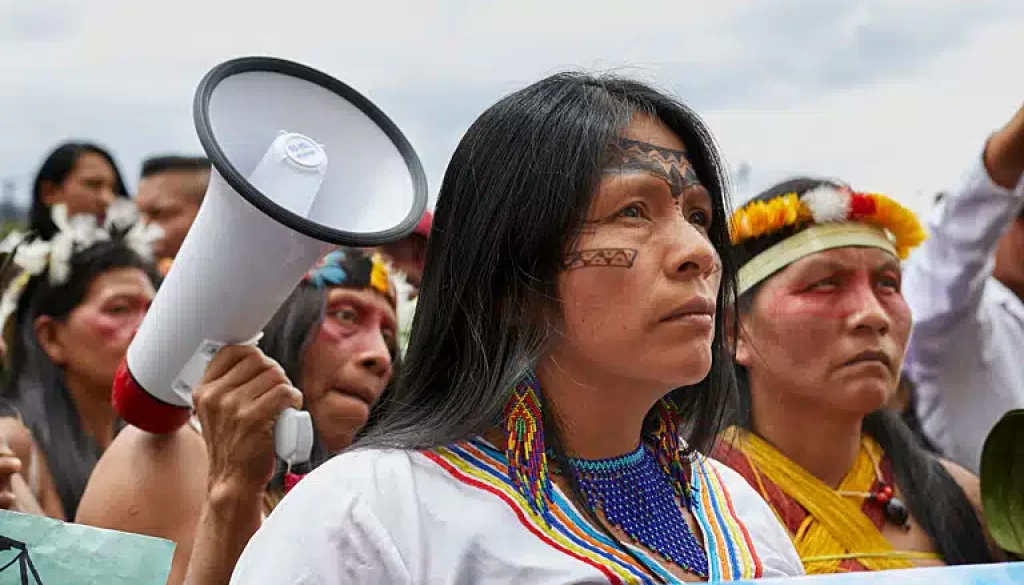
Defenders are often marginalized individuals carrying enormous responsibility for ecosystems, biodiversity, and human rights. When digital platforms fail to protect them, climate justice itself is endangered.
The chilling effect isn’t abstract. It means fewer voices defending forests, rivers, and commons, precisely when urgent climate action is needed most.
A call to action
This report is not just a sobering revelation, it’s a call to defend those defending us all. Platforms wield immense power; without urgent reform, they will continue to allow injustice, harassment, and even violence in digital spaces.
As tech infrastructures shape global discourse, we must demand safer, fairer digital environments, especially for those on the frontlines of climate justice.