
COP4 of the Escazú Agreement: A key moment for environmental democracy in Latin America and the Caribbean
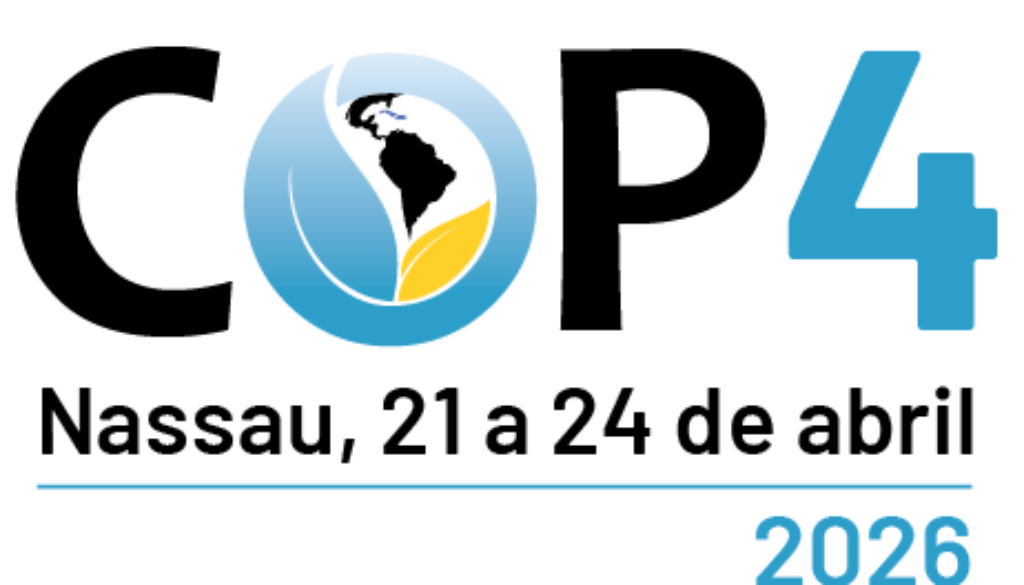
In April 2026, governments, civil society organizations, and environmental advocates from across Latin America and the Caribbean will gather for the Fourth Meeting of the Conference of the Parties (COP4) to the Escazú Agreement. Scheduled for 21-24 April 2026 in Nassau, Bahamas, the meeting will mark an important milestone in the ongoing effort to implement the region’s first legally binding environmental treaty.
As the Escazú Agreement moves from adoption to implementation, COP4 represents an opportunity to assess progress, identify persistent gaps, and strengthen regional cooperation to ensure the treaty delivers tangible results.
Why COP4 matters
While the Escazú Agreement has generated significant political momentum, the challenge now lies in translating its commitments into real change at the national and local levels. In many countries, implementation remains uneven. Governments must still develop policies, institutional reforms, and legal frameworks that guarantee the treaty’s rights in practice.
COP4 therefore arrives at a critical moment:
First, it offers an opportunity for states to share experiences and lessons learned in implementing the agreement. Many countries are still developing national roadmaps or strategies to operationalize the treaty’s provisions. These exchanges can help identify good practices and common challenges. Second, the meeting can reinforce accountability. By reviewing national progress and discussing implementation barriers, COP processes create pressure for governments to advance their commitments and strengthen transparency.
Third, COP4 provides a vital platform for civil society participation. The Escazú Agreement is unique among environmental treaties in that it formally recognizes and facilitates meaningful participation by the public in its governance processes. Civil society organizations, community leaders, and environmental defenders are therefore not only observers but key actors in shaping the implementation of the agreement.
The relevance of the Escazú Agreement extends beyond environmental policy. At its core, the treaty seeks to strengthen environmental democracy: the idea that environmental governance must be transparent, participatory, and accountable.
This principle is especially urgent in a region facing escalating environmental pressures, including climate change, biodiversity loss, and expanding extractive industries. Decisions about infrastructure, energy, land use, and resource management increasingly affect communities and ecosystems across Latin America and the Caribbean.
Ensuring that these decisions are made transparently and with meaningful public participation is essential not only for protecting the environment but also for safeguarding human rights and strengthening democratic institutions.
In this context, Escazú offers a powerful framework. By guaranteeing access to information, participation, and justice, the agreement helps create the conditions for more inclusive and equitable environmental decision-making.
Looking ahead
As delegates gather for COP4 in April, expectations will be high. The meeting will be an opportunity to reaffirm political commitment to the treaty and to accelerate its implementation across the region.
But perhaps more importantly, it will serve as a reminder that environmental governance cannot succeed without public trust, transparency, and active civic engagement.
In this context, initiatives across Latin America and the Caribbean are already working to translate the principles of the Escazú Agreement into concrete knowledge and action. Within the KALLIED community, projects such as Impacts of Lithium Development on Indigenous Territories in Argentina, Bolivia and Chile examine how the energy transition affects Indigenous lands and raises critical questions about participation, access to information, and environmental justice. Meanwhile, the Aporto Project: Civic Space and Climate Justice in Central America explores how civic space conditions the ability of communities to advocate for climate justice in contexts where environmental defenders often face growing risks.
The Escazú Agreement represents a collective effort by governments, civil society, and communities to reimagine how environmental decisions are made in Latin America and the Caribbean. COP4 is another step in that journey, one that will help determine whether the promise of environmental democracy becomes a lived reality across the region.